
English 
T: 400-6130-885
E: cservice@xx.com
E: cservice@xx.com
5th floor, Financial Innovation Plaza, 8-2 Pusi Road, Jiangbei New District, Nanjing
Friendly link (QQ: 3004257586)
Friendly link (QQ: 3004257586)

Views: 0 Author: Site Editor Publish Time: 2026-02-10 Origin: Site
Shipping fresh produce or delicate goods requires more than just a cardboard box. The journey from the farm to the consumer's table is fraught with challenges—temperature changes, humidity, and physical handling can all compromise the quality of your product. This is where the humble yet essential poly bag comes into play.
Choosing the right packaging is not just about containment; it is about preservation and presentation. Whether you are an agricultural distributor shipping Red Globe grapes or a business looking for reliable liner bags, understanding the mechanics of a high-quality poly bag for shipping is crucial. This guide covers the technical specifications, benefits, and environmental considerations of using poly bags to keep your products protected and fresh.
A poly bag (short for polyethylene bag) is a type of plastic packaging used for containment and shipping. While they come in various forms, the most common material for fresh produce and shipping liners is Low-Density Polyethylene (LDPE).
LDPE is favored because it offers a unique balance of strength and flexibility. Unlike rigid plastics that might crack under pressure, an LDPE poly bag can stretch slightly, accommodating the shape of the contents without tearing. For shippers, this means the packaging works with the product, not against it.
When you are transporting goods, specifically fresh fruit like grapes or mangoes, the packaging serves as the primary line of defense. A standard poly bag for shipping provides three main functions: physical protection, visibility, and climate control.
One of the biggest selling points of high-quality poly bags is transparency. When a distributor or customer opens a crate, they want to see the quality of the product immediately. Bags designed with high brightness and optical clarity ensure that your items are visible at a glance. This removes the need for customers to handle the produce to check for quality, reducing the risk of bruising.
Shipping environments are rarely sterile. Dust, debris, and excess moisture can ruin a shipment before it reaches its destination. A properly sealed or folded liner bag acts as a barrier, keeping the contents hygienic and safe.
This is a critical distinction for agricultural shipping. While you want to keep external moisture out, fresh produce needs to "breathe." High-quality agricultural poly bags, such as the PLU#4023 model, are designed with specific perforation patterns.
Vent holes allow for air circulation, preventing the buildup of condensation inside the bag (which causes rot) while maintaining enough humidity to keep the fruit plump and fresh.
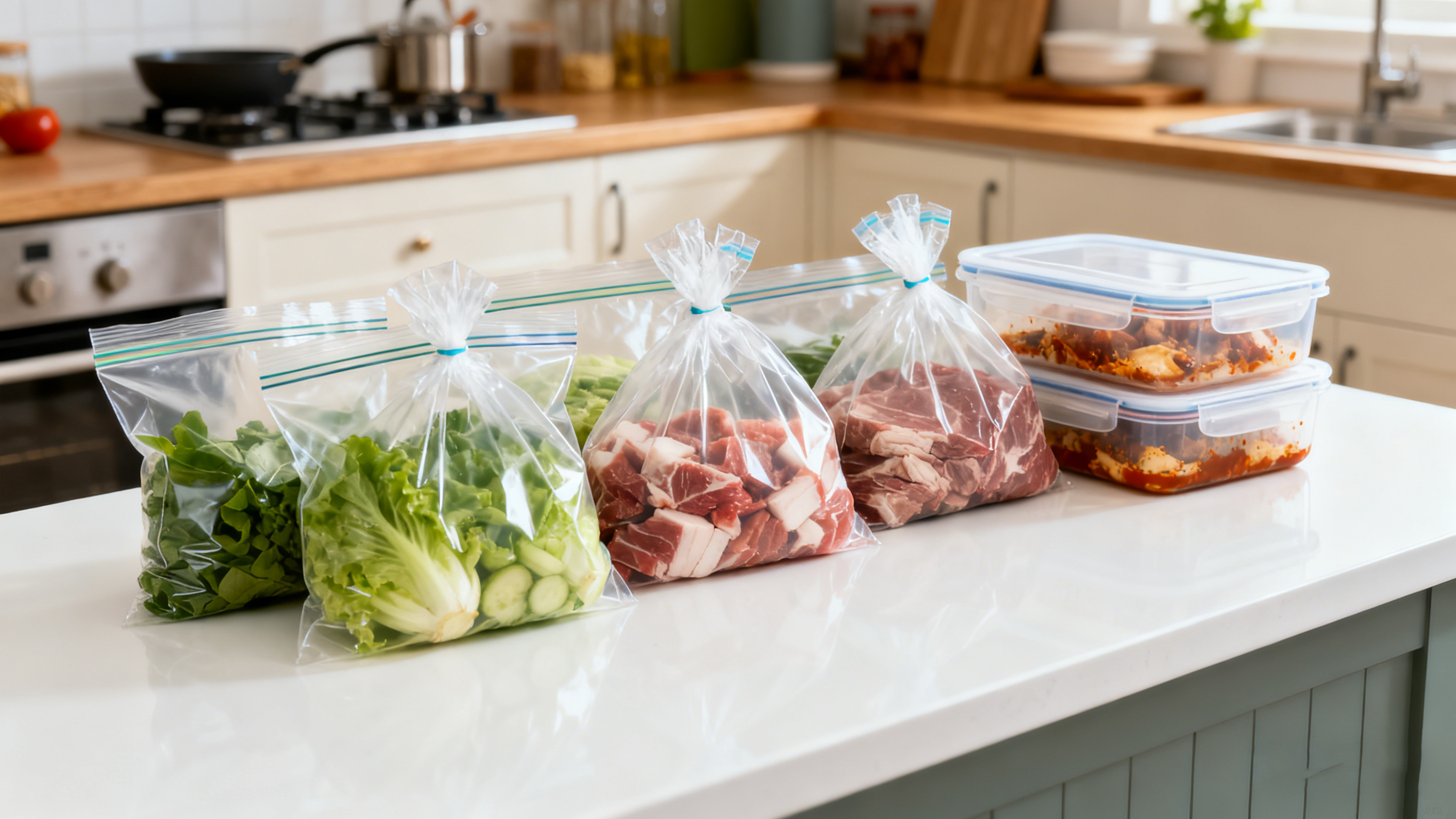
Not all bags are created equal. When sourcing a poly bag for shipping, you need to look at the specific metrics that define durability and safety.
Using the industry-standard PLU#4023 grape bag as a benchmark, here are the specifications you should expect from a professional-grade product:
Feature | Specification | Why it Matters |
|---|---|---|
Material | 100% New LDPE (Food Grade) | Ensures safety for edible items and provides consistent strength. |
Thickness | 26 microns (+/- 10%) | Thick enough to prevent tearing during packing, thin enough for flexibility. |
Venting | 9mm vent holes | Critical for airflow to prevent spoilage in fresh produce. |
Hole Spacing | 25mm spacing | Ensures even air distribution throughout the bag. |
Dimensions | 320mm (H) x 160mm (W) | Optimized for standard fruit clusters or mid-sized items. |
Opening | Wide opening (320mm) | Allows for quick and easy packing without damaging the product. |
If you are shipping food, safety is non-negotiable. You must ensure that your packaging supplier uses food-grade raw materials. The best poly bags are made from virgin polyethylene, meaning no recycled plastics (which can contain unknown contaminants) are in direct contact with the food.
Furthermore, shipping is a branding opportunity. A poly bag is a blank canvas. High-end manufacturers offer customization options that include:
PLU Codes: Essential for retail checkout (e.g., PLU 4023 for specific grape varieties).
Non-toxic Inks: Printing logos or handling instructions requires heavy metal-free inks to maintain food safety standards.
Recyclable Labels: Ensuring the sticker or printed area doesn't render the bag unrecyclable.
The conversation around plastic packaging is shifting. Modern businesses are under pressure to reduce their environmental footprint. Fortunately, the poly bag industry is adapting.
The standard LDPE poly bag for shipping is fully recyclable. Because these bags are often mono-material (made of only one type of plastic), they are easier to process at recycling facilities compared to multi-layer pouches.
When choosing a supplier, look for those who prioritize "Environment-friendly" production methods. This includes minimizing waste during the manufacturing process and ensuring the end product can re-enter the supply chain as recycled material.
To select the right poly bag, you must assess the journey your product will take.
Duration: How long will the product be in transit? Longer transit times require better ventilation features.
Weight: Heavier items require a higher micron count (thickness) to prevent the bottom from dropping out.
Content: Does the product release moisture (like fruit) or is it dry (like electronics)? This determines if you need vented or non-vented bags.
The effectiveness of your shipping strategy often comes down to the smallest details. A poly bag might seem like a simple commodity, but it is a sophisticated engineering solution designed to balance protection, breathability, and presentation.
By selecting high-quality, food-grade bags with the right thickness and venting specifications, you ensure that your product arrives in the same premium condition it left your facility. Whether you are shipping across the country or exporting globally, the right packaging is the best insurance policy for your inventory.

| | 1/F, NO.81, CHANGZHEN ROAD, SHUIKOU TOWN, KAIPING CITY, GUANGDONG, CHINA |
| | +86-0-136 3183 6942 / +86-0-134 2677 9895 +86-750-2280358 |
| |


