
English 
T: 400-6130-885
E: cservice@xx.com
E: cservice@xx.com
5th floor, Financial Innovation Plaza, 8-2 Pusi Road, Jiangbei New District, Nanjing
Friendly link (QQ: 3004257586)
Friendly link (QQ: 3004257586)

Views: 0 Author: Site Editor Publish Time: 2026-05-25 Origin: Site
A paper bag traps ethylene gas, a natural plant hormone released by fruit, which accelerates the ripening process. Unlike plastic, a breathable fruit paper bag allows excess moisture to escape. This prevents mold and rot while keeping your produce fresh, sweet, and perfectly ripe.
Bringing home hard avocados, firm peaches, or sour grapes can be frustrating when you want to enjoy them immediately. You place them on the kitchen counter, hoping they will soften by the next day, but the process often takes much longer. The secret to speeding up this natural cycle is likely already sitting in your kitchen pantry.
Using a paper bag to ripen produce is a tried-and-true method backed by plant science. When fruit sits inside a confined, breathable space, it creates the ideal micro-environment for maturation. This simple technique saves time and helps you get the most flavor out of your groceries.
Understanding exactly how this process works will help you reduce food waste and improve your culinary experience. You will learn the science behind ethylene gas, why material choice matters, and how specialized commercial options, like a dedicated grape bag, are transforming how we store and transport fresh food.
Fruits release a natural compound called ethylene gas as they mature. This invisible, odorless gas acts as an aging hormone for plants. When you leave an unripe piece of fruit in the open air, the ethylene dissipates into the room. When you place that same fruit inside a closed container, the gas concentrates around the produce and dramatically speeds up the ripening timeline.
You might wonder why plastic bags are not the standard recommendation. Plastic traps ethylene, but it also traps moisture. As fruit breathes, it releases water vapor. Inside a plastic bag, this condensation pools on the skin of the fruit, creating a breeding ground for bacteria and mold. A high-quality Fruit Packaging Paper Bag solves this problem entirely. Paper is inherently porous, meaning it holds the ethylene gas inside while allowing the damaging water vapor to evaporate into the surrounding air.
Not all paper products are created equal when it comes to fresh produce. Everyday brown lunch sacks work well for ripening a single avocado or a few peaches at home. However, commercial growers and grocery suppliers require much more robust solutions to keep fruit safe from the farm to your table.
Manufacturers use 80-115 GSM wet-strength paper to create durable packaging that can hold heavier fruits without tearing. These materials are heavily utilized in bag packing for vegetables and fruit, ensuring that the structural integrity remains intact even if the produce releases moisture or experiences condensation during transit.
Below is a breakdown of common sustainable bag types and their best uses:
Bag Type | Best Use Cases | Key Features |
|---|---|---|
Standard Brown Sack | Home ripening of avocados, peaches, and pears | Breathable, low cost, readily available |
Kraft Twisted Paper Bag | Grocery shopping and market transport | Sturdy twisted handles, durable wet-strength paper |
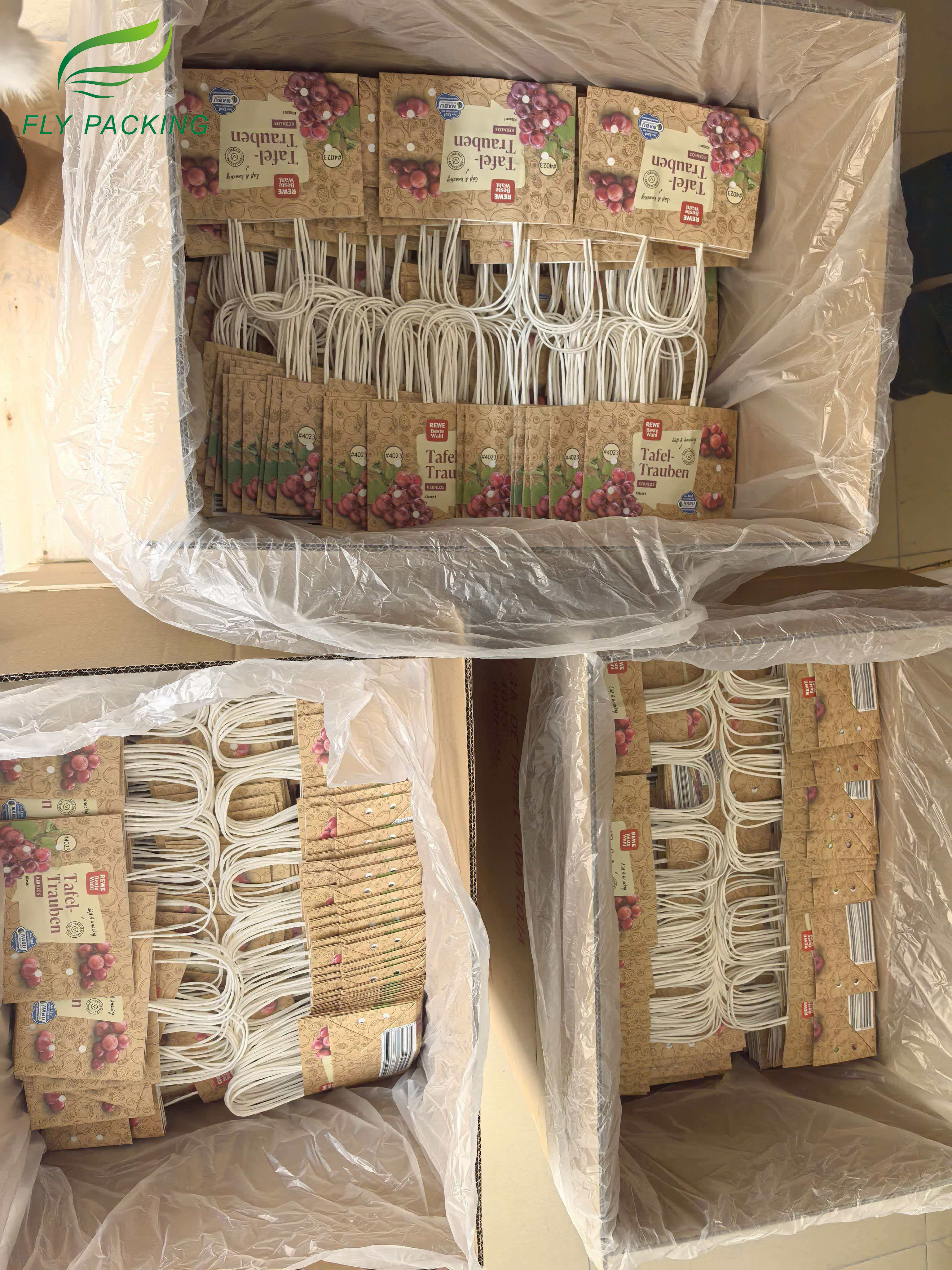
Grapes Packaging Paper Bags | Table grapes and delicate stone fruits | Macro-perforated holes (8mm) for ideal airflow, water-resistant |
Vegetables paper bags With Handle | Mixed produce and heavy root vegetables | Strong base, food-grade materials, easy carrying |
The shift toward sustainable packaging is changing how we buy and store food. Consumers and businesses alike are recognizing the severe environmental impact of single-use plastics. Paper offers a 100% recyclable, biodegradable, and food-grade alternative that actively benefits the produce it holds.
For delicate items like table grapes, proper ventilation is critical. Vineyards and grocery stores now frequently use Grape Eco-Friendly Bags designed specifically for this purpose. These specialized bags feature 8mm macro-perforated holes that allow just the right amount of air circulation while protecting the fruit from bruising.
When a supplier chooses reliable Fruit Food Packaging Bags for Grape, they ensure the product arrives fresh and visually appealing. The combination of wet-strength paper and strategic ventilation means the fruit stays protected from excess handling while maintaining its natural bloom and flavor. A quality grape paper bag offers the perfect balance of breathability and protection, making it far superior to sealed plastic clamshells.
Ripening fruit at home requires only a few simple steps. First, select an unripe piece of fruit and place it inside your bag. If you want to speed the process up even further, add a high-ethylene producer to the mix. Apples and bananas are excellent choices because they release large amounts of ethylene gas as they sit.
Fold the top of the bag over loosely. You want to trap the gas inside, but you do not need an airtight seal. Leave the bag on your kitchen counter at room temperature, keeping it out of direct sunlight. Check the fruit daily by gently pressing on the skin. Most fruits will reach perfect ripeness within one to three days, depending on how firm they were initially.
This method works beautifully for a wide variety of produce, including bananas, kiwis, mangoes, pears, plums, and tomatoes. It is a highly effective, low-effort way to ensure you always have ready-to-eat fruit on hand.
Whether you are trying to soften a stubborn avocado for dinner or looking for the best commercial packaging for your farm, paper is the clear winner. It harnesses the natural biology of the plant, protects against rot, and leaves a minimal footprint on the environment.
By utilizing everything from a simple brown sack to specialized Grapes Packaging Paper Bags, you can extend the life of your produce and enjoy better-tasting food. Consider swapping out your plastic storage containers for breathable paper alternatives, and experience the difference in freshness and flavor for yourself.
Most fruit takes between 24 to 72 hours to ripen in a paper bag. The exact time depends on the initial firmness of the fruit and whether you included a high-ethylene producing companion fruit, like a banana or an apple, inside the bag.
Yes. As long as the paper remains dry and free of fruit juices or food residue, you can reuse it multiple times. Discard the bag if it becomes stained or damp, as moisture can harbor bacteria.
Yes, they significantly reduce the risk of mold. Bags made from wet-strength paper with macro-perforated holes allow air to circulate and moisture to escape, creating a dry environment that discourages mold growth.
Macro-perforated holes, typically around 8mm in diameter, provide essential airflow. This ventilation keeps the fruit fresh during transport and prevents condensation from building up inside the packaging.
Yes. High-quality paper options used in bag packing for vegetables and fruit are manufactured using food-grade materials. They are completely safe for direct contact with raw produce and are fully recyclable after use.

| | 1/F, NO.81, CHANGZHEN ROAD, SHUIKOU TOWN, KAIPING CITY, GUANGDONG, CHINA |
| | +86-0-136 3183 6942 / +86-0-134 2677 9895 +86-750-2280358 |
| |


