
English 
T: 400-6130-885
E: cservice@xx.com
E: cservice@xx.com
5th floor, Financial Innovation Plaza, 8-2 Pusi Road, Jiangbei New District, Nanjing
Friendly link (QQ: 3004257586)
Friendly link (QQ: 3004257586)

Views: 0 Author: Site Editor Publish Time: 2025-06-25 Origin: Site
Sustainability has taken center stage in recent years, and with good reason. Individuals and businesses alike are seeking eco-conscious ways to reduce their impact on the planet. One of the most innovative solutions gaining popularity in the packaging world is the fruit paper bag. Whether you’re a consumer looking for a greener way to carry produce or a business aiming to meet customer preferences for sustainable packaging, fruit paper bags offer numerous advantages.
This blog explores why fruit paper bags are a smart choice, their key benefits, and why they’re changing the future of packaging.
Fruit paper bags are eco-friendly, biodegradable packaging solutions specifically designed to hold and protect produce like fruits and vegetables. Typically made from recycled or sustainable materials, these bags combine functionality with an environmentally conscious design.
What makes these bags special? Unlike traditional single-use plastic bags, fruit paper bags are:
○Durable enough to handle moisture and weight without breaking.
○Breathable, which extends the freshness of produce.
○Eco-friendly, as they easily decompose after disposal, leaving a minimal environmental footprint.
Switching to fruit paper bags isn’t just a trend; it’s a strategic decision backed by environmental, social, and practical benefits. Here are some compelling reasons to make the switch:
Plastic pollution is a massive environmental issue. The average plastic bag can take hundreds of years to decompose, while paper bags biodegrade quickly and can even be composted. By choosing fruit paper bags, you actively contribute to lowering waste and safeguarding ecosystems.
Fruit paper bags are often made from recycled or responsibly sourced materials, meaning fewer trees were likely cut down for their production. Many manufacturers also adhere to environmentally friendly production practices, reducing their carbon footprint compared to producing plastic.
The breathability of fruit paper bags sets them apart. Unlike plastic bags, which can trap moisture and cause produce to rot more quickly, these paper bags allow air circulation, helping keep fruits and vegetables fresh for longer.
Modern consumers are increasingly favoring brands that prioritize sustainability. Businesses that provide eco-friendly shopping options, such as fruit paper bags, are seen as forward-thinking and more trustworthy.
For businesses, fruit paper bags can do more than package produce. They’re easily customizable with brand logos, colors, and designs, functioning as both packaging and marketing material. Plus, the natural look of paper bags resonates well with customers seeking authenticity.
Fruit paper bags are surprisingly versatile and can serve a variety of purposes beyond just packaging fruits. Here’s where they shine:
○Grocery Stores: Ideal for adding a sustainable touch to fresh produce sections.
○Farmers’ Markets: A great fit for small vendors who want to reduce their environmental impact.
○Food Delivery Services: Perfect for eco-conscious meal-kit companies or farm-to-door produce deliveries.
○Home Use: Consumers can use fruit paper bags for shopping, storage, or even DIY compost wrappers.
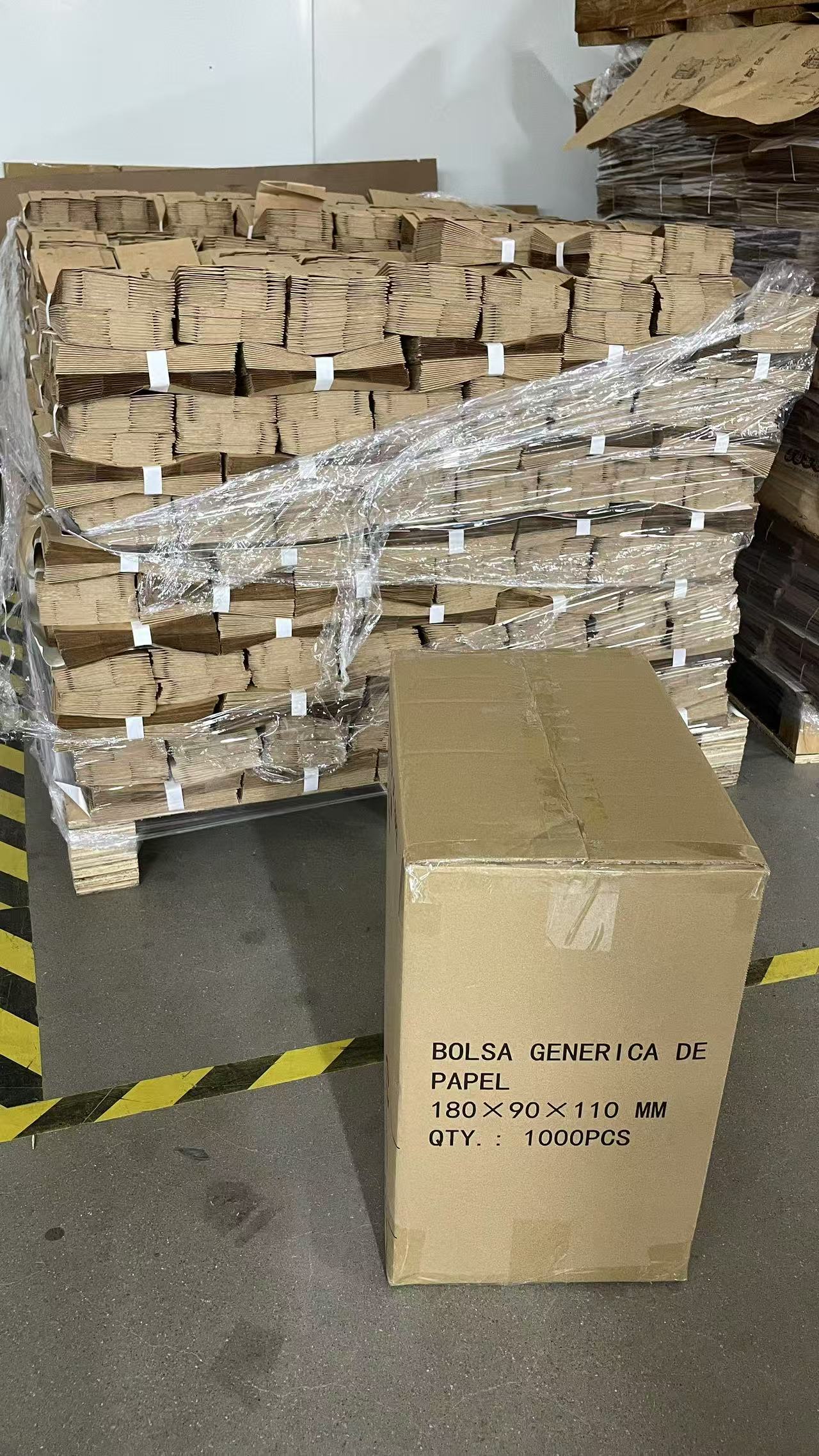
Making the switch to fruit paper bags is easier than you might think. Here are a few steps to help both businesses and individuals get started:
Research brands that offer certified biodegradable and durable fruit paper bags. Look for those with a commitment to sustainability, ensuring your switch aligns with your green values.
Determine the specific sizes and capacities you’ll need. For example:
○Small bags for individual fruits like apples or oranges.
○Larger bags for bulkier items like bananas or potatoes.
If you’re a business owner, communicate your decision to switch to fruit paper bags as part of your sustainability objectives. Highlight the benefits to encourage customers to opt for eco-friendly packaging during their shopping trips.
Encourage customers to reuse fruit paper bags whenever possible. A simple note or illustration on the bag itself can showcase creative ways to repurpose them!
While fruit paper bags offer incredible benefits, there are challenges to consider. They may cost slightly more than plastic bags initially, and their durability under extreme moisture can sometimes be limited. To address these, manufacturers are constantly innovating, creating water-resistant coatings and even hybrid bags.
The good news? Governments around the world are implementing bans or restrictions on single-use plastics, incentivizing investment in environmentally friendly alternatives. This momentum suggests that fruit paper bags will continue to evolve and grow in demand.
Whether you’re a business catering to eco-conscious customers or an individual looking to live sustainably, fruit paper bags are a step in the right direction. They’re not just a product; they’re a commitment to the planet and a reflection of forward-thinking practices.
If you’re a business ready to invest in better packaging or a customer looking for more eco-friendly options, consider integrating fruit paper bags into your routine. Their durability, customization potential, and environmental impact make them a truly modern solution to an age-old problem.

| | 1/F, NO.81, CHANGZHEN ROAD, SHUIKOU TOWN, KAIPING CITY, GUANGDONG, CHINA |
| | +86-0-136 3183 6942 / +86-0-134 2677 9895 +86-750-2280358 |
| |


