
English 
T: 400-6130-885
E: cservice@xx.com
E: cservice@xx.com
5th floor, Financial Innovation Plaza, 8-2 Pusi Road, Jiangbei New District, Nanjing
Friendly link (QQ: 3004257586)
Friendly link (QQ: 3004257586)

Views: 0 Author: Site Editor Publish Time: 2025-07-16 Origin: Site
Poly bags have become the backbone of modern shipping operations, quietly revolutionizing how businesses package and send products worldwide. These lightweight, versatile packaging solutions offer protection, cost savings, and efficiency that traditional boxes simply can't match for many items.
If you're curious about poly bags for shipping—what they are, why they're so popular, and how they might benefit your business—this guide covers everything you need to know.
A poly bag for shipping is a flexible packaging solution made from polyethylene plastic. These bags are specifically designed to protect items during transit while keeping shipping costs low. Unlike rigid boxes, poly bags conform to the shape of their contents, reducing wasted space and making them ideal for soft goods, clothing, books, and lightweight items.
Poly bags come in various thicknesses, sizes, and styles. They can be clear or opaque, with or without printing, and may include features like self-sealing strips, tear-off receipts, or tamper-evident closures.
These are the most common type of poly bag for shipping. They feature a self-sealing adhesive strip and are perfect for clothing, accessories, and other non-fragile items. The bags are typically white or gray on the outside with a white interior.
Bubble mailers combine the flexibility of poly bags with the protection of bubble wrap. They're ideal for shipping fragile items like electronics, jewelry, or breakable goods that need extra cushioning.
Transparent poly bags allow customers and postal workers to see the contents without opening the package. These are often used for books, documents, or items that benefit from visibility during shipping.
These feature built-in padding material, such as recycled newspaper or foam, providing protection without the bulk of traditional packaging materials.
Poly bags significantly reduce shipping costs compared to boxes. They're lighter, which means lower postage fees, and they're less expensive to purchase in bulk. For businesses shipping thousands of items monthly, these savings add up quickly.
The flexible nature of poly bags means they take up less storage space in your warehouse and create more efficient packaging. Items fit snugly without excess air or padding, maximizing space utilization during shipping.
Modern poly bags are surprisingly tough. They resist tearing, punctures, and moisture, keeping contents safe during transit. Many are also tamper-evident, providing security for valuable items.
Poly bags can be customized with your brand colors, logo, and messaging. This creates a professional unboxing experience that reinforces your brand identity when customers receive their orders.
Many poly bags are recyclable, and some are made from recycled materials. They also reduce overall packaging waste compared to boxes that require additional filling materials.
Online retailers love poly bags for shipping soft goods. Clothing companies, in particular, have embraced these bags because they're perfect for apparel that doesn't require rigid protection.
Publishers and media retailers use poly bags to ship books, DVDs, and similar items. The bags protect against moisture and damage while keeping shipping costs reasonable.
Businesses selling small hardware, craft supplies, or electronic components often use poly bags because they prevent items from shifting during shipping.
Many subscription services use custom poly bags for their monthly shipments, especially when the contents are primarily soft goods or lightweight items.
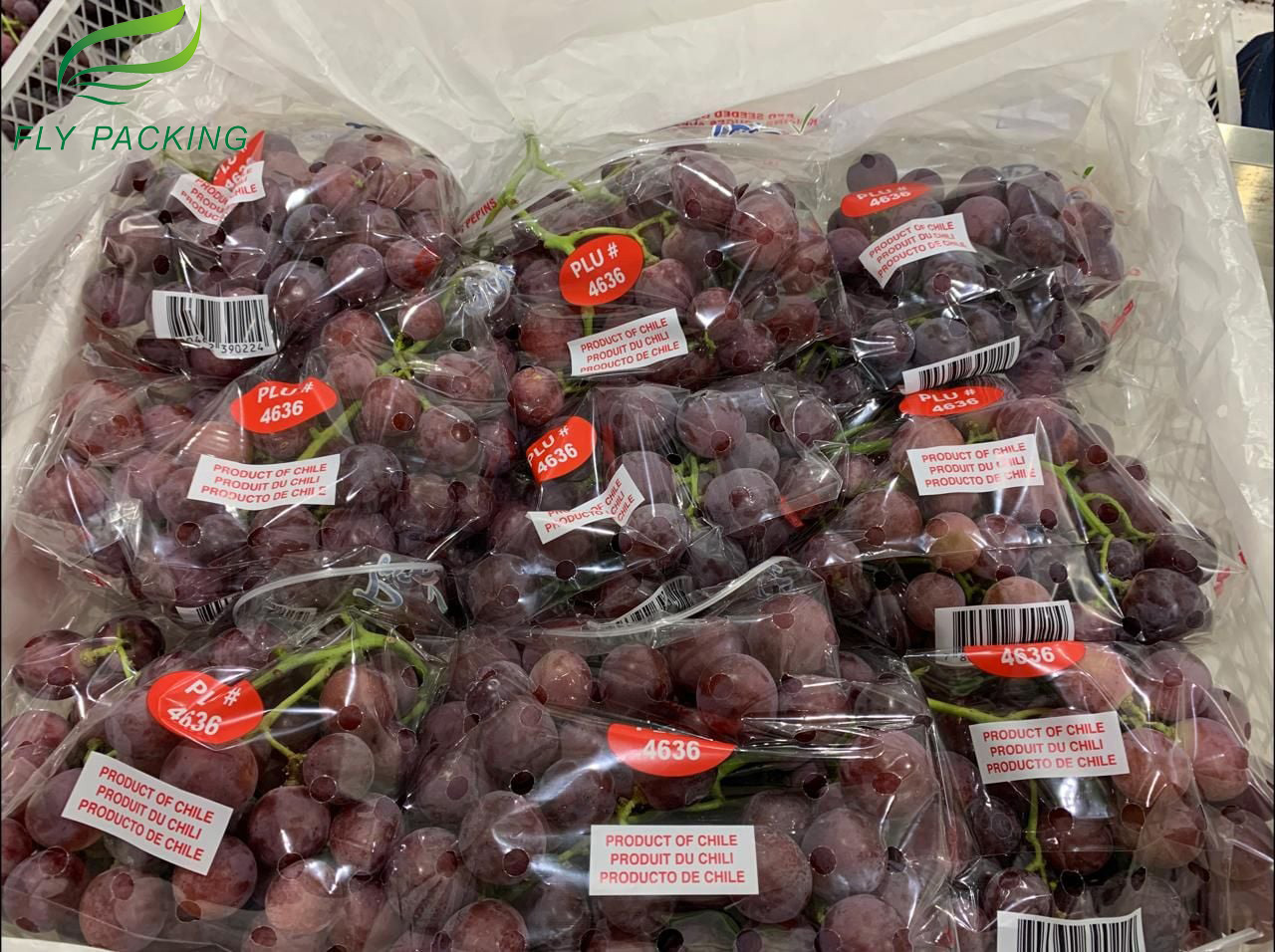
Measure your typical products to determine the appropriate bag dimensions. Remember that poly bags should have some extra space around the contents for proper sealing.
Fragile items need bubble mailers or padded versions, while durable goods can use standard poly mailers. Consider the shipping distance and handling your packages will endure.
Custom printed poly bags can serve as marketing tools. Consider adding your logo, return address, or even promotional messages to enhance brand recognition.
Different shipping carriers have specific requirements for poly bags. Ensure your chosen bags meet postal service standards for thickness, labeling, and closure methods.
Always ensure the adhesive strip is completely sealed. Press firmly along the entire length to prevent the bag from opening during transit.
Use clear, legible labels and ensure they're properly adhered to the bag surface. Consider using labels designed specifically for plastic surfaces.
Distribute weight evenly within the bag to prevent tearing or uncomfortable handling. Heavy items should be centered rather than concentrated in one area.
Before committing to large quantities, test your chosen poly bags with actual products. Ship sample packages to yourself to evaluate performance.
Many businesses hesitate to switch from traditional boxes to poly bags, but the transition is often smoother than expected. Start by identifying which products are suitable for poly bag shipping—typically soft goods, lightweight items, and non-fragile merchandise.
Calculate potential savings by comparing current packaging costs with poly bag alternatives. Include shipping weight differences in your calculations, as the reduced postage fees often provide the biggest savings.
Consider conducting a pilot program with a portion of your shipments to test customer response and identify any potential issues before fully implementing poly bags across your operations.
Poly bags for shipping offer an excellent solution for businesses looking to reduce costs, improve efficiency, and maintain professional packaging standards. They work particularly well for e-commerce operations, subscription services, and any business shipping soft goods or lightweight items.
The key to success lies in choosing the right type of poly bag for your specific needs and implementing proper sealing and labeling practices. With the right approach, poly bags can transform your shipping operations while delighting customers with their convenience and professional appearance.
Ready to explore poly bags for your shipping needs? Start by evaluating your current packaging costs and identifying products that would benefit from this flexible, cost-effective solution.

| | 1/F, NO.81, CHANGZHEN ROAD, SHUIKOU TOWN, KAIPING CITY, GUANGDONG, CHINA |
| | +86-0-136 3183 6942 / +86-0-134 2677 9895 +86-750-2280358 |
| |


