
English 
T: 400-6130-885
E: cservice@xx.com
E: cservice@xx.com
5th floor, Financial Innovation Plaza, 8-2 Pusi Road, Jiangbei New District, Nanjing
Friendly link (QQ: 3004257586)
Friendly link (QQ: 3004257586)

Views: 0 Author: Site Editor Publish Time: 2025-10-28 Origin: Site
Poly bag plastic is everywhere. From protecting your online purchases during shipping to keeping groceries fresh at the supermarket, these lightweight bags have become an essential part of modern commerce and daily life.
But what exactly are poly bags made of? How do different types compare? And with growing environmental concerns, what role do they play in a sustainable future?
This guide breaks down everything you need to know about poly bag plastic, including the different materials used, common applications across industries, and how businesses and consumers can make more environmentally responsible choices.
Poly bags are flexible packaging products made from plastic polymers. The term "poly" is short for polyethylene, though the category can include bags made from various plastic materials. These bags are manufactured by heating and shaping plastic resin into thin, flexible sheets that are then sealed to create pouches of different sizes and thicknesses.
The versatility of poly bag plastic makes it ideal for countless applications. You'll find them protecting electronics, preserving food, organizing retail products, and safeguarding documents during transit.
Not all poly bags are created equal. Different plastic materials offer distinct properties that make them suitable for specific uses.
Polyethylene is the most common type of poly bag plastic. It comes in several varieties:
Low-Density Polyethylene (LDPE): This flexible, soft plastic is commonly used for grocery bags, garment bags, and food storage. LDPE bags have a smooth texture and excellent moisture resistance.
High-Density Polyethylene (HDPE): Stronger and more rigid than LDPE, HDPE is used for applications requiring greater durability. You'll find it in shopping bags, trash can liners, and heavy-duty packaging.
Linear Low-Density Polyethylene (LLDPE): This material combines the flexibility of LDPE with improved strength and puncture resistance. It's popular for stretch wrap, shipping bags, and industrial packaging.
Polypropylene bags offer superior clarity and a crisp feel compared to polyethylene options. They're often used for displaying merchandise in retail settings because they showcase products attractively. PP bags also have better heat resistance, making them suitable for items that might be exposed to higher temperatures.
As environmental concerns grow, manufacturers have developed alternatives using materials like PLA (polylactic acid) derived from corn starch or other plant sources. These bags break down more readily than traditional plastics, though they typically require specific composting conditions to decompose properly.
Understanding poly bag measurements helps you choose the right product for your needs.
Thickness (Gauge or Mil): Poly bags are measured by thickness in mils (thousandths of an inch) or gauge. A higher number indicates a thicker, stronger bag. Light-duty applications might use 1-2 mil bags, while heavy-duty packaging could require 4-6 mil or thicker.
Size: Bags are measured by width and length, typically in inches. When ordering, consider the dimensions of your product plus any additional space needed for sealing or closure.
Gusset: Some poly bags feature gussets (expandable sides) that allow them to accommodate bulkier items while lying flat when empty.
Poly bags serve crucial functions across numerous sectors.
Online retailers depend on poly bags to protect products during transit. The lightweight nature of plastic bags helps reduce shipping costs while providing moisture protection and tamper evidence.
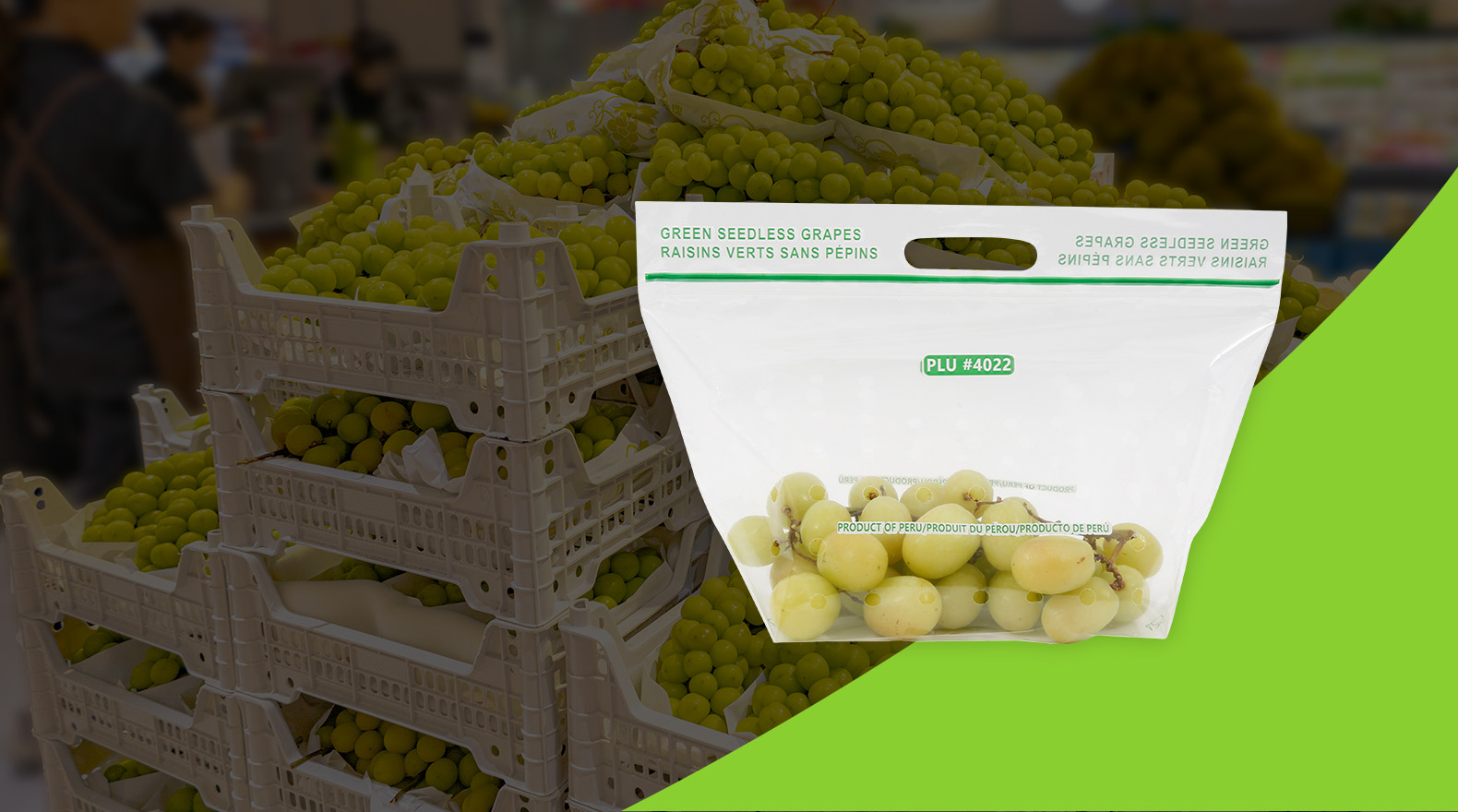
From produce bags at the supermarket to food storage in commercial kitchens, poly bag plastic helps maintain freshness and hygiene. Many food-grade poly bags meet FDA requirements for direct food contact.
Medical facilities use poly bags for specimen collection, medication dispensing, and sterile product packaging. These applications often require specific certifications and materials that meet stringent safety standards.
Clothing stores use poly bags to protect garments, while other retailers rely on them for product packaging and point-of-sale bags. Clear poly bags are particularly popular for displaying merchandise.
Manufacturers use poly bags to protect parts, components, and finished goods from dust, moisture, and contamination during production and storage.
The environmental impact of poly bag plastic has become a pressing concern. Traditional polyethylene bags can persist in the environment for hundreds of years, contributing to pollution and harming wildlife.
Many poly bags are designed for single use, creating substantial waste. Billions of plastic bags end up in landfills or as litter each year. Marine environments are particularly affected, with plastic bags posing ingestion and entanglement risks to sea life.
Many types of poly bag plastic can be recycled, but they shouldn't go in curbside recycling bins. The thin, flexible material can jam sorting equipment at recycling facilities. Instead, many grocery stores and retailers offer collection points specifically for plastic bag recycling.
Businesses and consumers have several options for reducing their poly bag plastic footprint:
Reusable bags: Durable fabric or heavy-duty plastic bags designed for multiple uses significantly reduce waste.
Recycled content: Poly bags made from post-consumer or post-industrial recycled plastic help divert waste from landfills.
Biodegradable options: While not perfect, bags made from plant-based materials or designed to break down more quickly offer improvements over traditional plastics.
Right-sizing: Using appropriately sized bags reduces material waste and shipping costs.
Selecting the appropriate poly bag depends on several factors:
Product protection needs: Consider whether you need moisture resistance, puncture protection, or clarity for product display.
Weight and dimensions: Match bag strength and size to your product specifications.
Environmental goals: Evaluate whether recycled content, biodegradable materials, or reusable options align with your sustainability commitments.
Regulatory requirements: Food, medical, and other sensitive applications may require specific certifications or materials.
Cost considerations: Balance material costs against protection needs and environmental priorities.
Innovation continues to shape the poly bag industry. Researchers are developing new materials that maintain the practical benefits of traditional plastic while addressing environmental concerns. Chemical recycling technologies promise to break down plastic into its molecular components for reuse. Meanwhile, regulations in many regions are pushing businesses toward more sustainable packaging choices.
The key lies in using poly bag plastic responsibly. This means selecting the right material for each application, minimizing unnecessary usage, and ensuring proper disposal or recycling.
Poly bag plastic remains an important packaging solution across industries. These versatile products offer protection, convenience, and cost-effectiveness that are difficult to match with other materials.
However, their environmental impact demands thoughtful consideration. By understanding the different types of poly bag plastic, their appropriate applications, and available sustainable alternatives, businesses and consumers can make choices that balance practical needs with environmental responsibility.
Whether you're a business selecting packaging materials or a consumer making purchasing decisions, being informed about poly bag plastic helps you contribute to both efficient operations and a healthier planet.

| | 1/F, NO.81, CHANGZHEN ROAD, SHUIKOU TOWN, KAIPING CITY, GUANGDONG, CHINA |
| | +86-0-136 3183 6942 / +86-0-134 2677 9895 +86-750-2280358 |
| |


